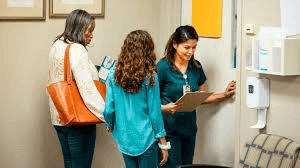
For many women in Islamabad struggling with substance use, the hardest part isn’t recognizing they need help — it’s finding a treatment environment where they actually feel safe enough to ask for it. Cultural stigma, family pressure, and discomfort discussing personal struggles with a male counselor all create real barriers to seeking care. A female addiction counselor removes many of these barriers, offering women a space where they can speak openly, without judgment, and be understood by someone who genuinely relates to their experience.
This guide covers why gender-specific addiction counseling matters, what to expect from working with a female counselor, and how to find trustworthy, confidential care in Islamabad.
Why Women Need Gender-Specific Addiction Care
Addiction doesn’t affect men and women in the same way, and treatment that ignores this difference often falls short. <cite index=”8-1″>Women face numerous challenges that can take a toll on their mental and physical health — from societal pressures to professional and personal responsibilities, the burden can lead to stress, anxiety, and even addiction.</cite> <cite index=”5-1″>Women are more prone to addiction, trauma, and mental health issues compared to men, and drawing on social stigmas and family pressure, women often encounter unique conditions when it comes to finding treatment.</cite>
In Pakistan specifically, the stigma surrounding addiction is amplified for women, who often fear being judged, ostracized, or blamed by their families and communities. This is precisely why <cite index=”1-1″>providing compassionate, respectful, and faith-sensitive treatment that empowers women to heal, grow, and reclaim their lives with dignity</cite> has become such a central focus for reputable rehabilitation centers across Islamabad.
What Does a Female Addiction Counselor Actually Do?
A female addiction counselor provides one-on-one and group therapy specifically designed to address the psychological, emotional, and social dimensions of substance use in women. Their role typically includes:
- Individual counseling sessions to explore the root causes of addiction, including trauma, relationship stress, or underlying mental health conditions
- Group therapy facilitation, connecting women with shared experiences in a supportive setting
- Family counseling, helping loved ones understand addiction and how to support recovery constructively
- Relapse prevention planning, building practical coping strategies for real-world triggers
- Coordination with psychiatric and medical staff, ensuring therapy aligns with any medication management or co-occurring treatment
<cite index=”3-1″>Licensed therapists typically deliver evidence-based approaches like CBT, DBT, Motivational Interviewing, ACT, and trauma-informed therapy, tailored individually to each patient</cite>, rather than applying a single standardized method to every woman who walks through the door.
Why Confidentiality and Privacy Matter So Much
For many women, the decision to seek addiction treatment is deeply tied to concerns about privacy. <cite index=”6-1″>A woman’s second chance often begins in an environment specifically built around compassion and discretion</cite>, where she doesn’t have to worry about her situation becoming community knowledge or a source of family shame.
<cite index=”2-1″>Dedicated female rehabilitation programmes exist specifically for women who require a gender-specific care environment</cite>, and <cite index=”3-1″>the best of these operate as fully private, all-female care settings staffed entirely by female clinical professionals — designed around the unique needs of Pakistani women.</cite> This isn’t a minor detail; for many women, it’s the single factor that determines whether they seek help at all.
At Healing Door Rehab & Psychiatric Center, the female rehabilitation program is built on exactly this principle — a separate, private space staffed by female counselors and clinicians, so women can pursue treatment without fear of stigma or exposure.
Addressing Trauma Alongside Addiction
For many women, substance use is closely tied to unresolved trauma — from abuse, loss, difficult relationships, or chronic stress. <cite index=”1-1″>True recovery goes beyond medical treatment; it involves restoring emotional balance, self-confidence, and long-term wellbeing.</cite> A skilled female addiction counselor is trained to recognize these underlying patterns and address them directly, rather than treating substance use as an isolated behavioral issue.
<cite index=”5-1″>Female-focused centers aim to give back hope, dignity, and power to every woman who walks through their doors</cite>, treating trauma and addiction as connected parts of the same healing process rather than separate problems to be managed independently.
Dual Diagnosis: Treating Addiction and Mental Health Together
<cite index=”3-1″>Most patients with severe addiction also carry an undiagnosed mental health condition sustaining it, which is why treating both simultaneously through a fully integrated clinical approach produces far better outcomes than addressing only one condition.</cite> For women specifically, this often means anxiety, depression, or trauma-related conditions running alongside substance use — conditions that require both psychiatric attention and consistent counseling to resolve.
A center that combines a female addiction counselor with access to broader psychiatric services and drug addiction treatment gives women a coordinated path to recovery, rather than fragmented care spread across multiple unrelated providers.
What to Look for in a Female Addiction Counseling Program
Not every facility claiming to offer “women’s programs” delivers the same depth of care. Before choosing a provider, it’s worth confirming:
- A genuinely all-female clinical team, not just a female counselor within an otherwise mixed-gender facility
- Trauma-informed therapeutic approaches, since trauma and addiction are so frequently intertwined for women
- Confidential admissions and discreet logistics, including private transport and intake processes for women concerned about visibility
- Integrated psychiatric support, in case co-occurring mental health conditions need medication management alongside counseling
- Family involvement options, offered in a way that respects the patient’s comfort level and privacy
- Clinical accreditation and experience, reflecting genuine adherence to recognized treatment standards
What to Expect From Your First Counseling Session
Starting treatment can feel intimidating, especially for someone reaching out for the first time. A well-run program typically begins with:
- A confidential intake conversation, where the counselor listens without judgment to understand your history and current concerns
- A comprehensive assessment, covering substance use patterns, mental health history, and any relevant trauma or family dynamics
- Collaborative goal-setting, where you and your counselor build a treatment plan together rather than being handed a rigid, predetermined program
- A discussion of format, including whether individual counseling, group therapy, or a combination fits your situation best
Family Involvement Without Losing Privacy
Many women worry that seeking treatment means losing control over who finds out. A thoughtful program addresses this directly by giving women choice over how and when family members are involved. <cite index=”4-1″>Family education and counseling helps loved ones understand mental health and recovery support</cite>, but this involvement is typically structured around the patient’s comfort and consent — not imposed automatically.
Detox and Counseling Working Together
For women whose addiction involves physical dependency, counseling alone often isn’t enough in the early stages of recovery. <cite index=”6-1″>Detoxification is the first step in recovery from drug addiction</cite>, and pairing a female addiction counselor with medically supervised detoxification ensures that both the physical and emotional dimensions of early recovery are addressed together, under one coordinated plan of care.
Why Choose a Faith-Sensitive, Culturally Aware Program
For women in Pakistan, treatment that respects cultural and religious context tends to feel far more approachable than a purely clinical, Western-style program. <cite index=”1-1″>Faith-sensitive treatment that empowers women to heal, grow, and reclaim their lives with dignity</cite> allows recovery to align with a woman’s values and identity, rather than asking her to set them aside. This cultural sensitivity is often just as important as clinical expertise in helping women feel truly comfortable engaging in the recovery process.
Common Barriers Women Face in Seeking Addiction Treatment
Understanding the specific obstacles women encounter helps explain why gender-specific counseling matters so much in practice. Common barriers include:
- Fear of judgment from family and community, particularly in cultures where women’s behavior is scrutinized more closely than men’s
- Concern about losing custody or family standing, especially for women who are mothers or primary caregivers
- Discomfort disclosing trauma or abuse history to a male counselor, even when the counselor is skilled and well-intentioned
- Financial dependency on a spouse or family member, which can make seeking treatment feel financially risky
- Lack of awareness that gender-specific, confidential programs even exist as an option
A female addiction counselor, working within a program designed specifically around these realities, directly addresses each of these barriers rather than expecting women to overcome them alone before treatment even begins.
The Role of Group Therapy in Women’s Recovery
While individual counseling forms the foundation of treatment, group therapy plays an equally important role for many women in recovery. Sharing experiences with other women facing similar struggles can reduce the isolation and shame that often accompany addiction. In an all-female group setting, women frequently report feeling more comfortable being honest about difficult topics — including trauma, relationship dynamics, and cultural pressures — than they would in a mixed-gender group or an individual session alone. A skilled female counselor facilitates these sessions in a way that builds trust gradually, ensuring the group remains a safe space rather than a source of additional pressure.
Long-Term Recovery and Aftercare Support
Counseling doesn’t end the moment a formal treatment program concludes. Sustainable recovery depends heavily on ongoing support after the initial, most intensive phase of treatment. A strong female addiction counseling program typically includes:
- Relapse prevention check-ins, scheduled periodically after primary treatment ends
- Continued access to individual or group counseling, even at reduced frequency
- Support navigating real-world triggers, such as family gatherings, financial stress, or relationship changes
- A clear plan for reaching out during a crisis, so a difficult moment doesn’t turn into a full relapse
Women who maintain a connection to their counselor and treatment community after formal treatment ends generally have significantly better long-term outcomes than those who exit treatment with no ongoing support structure in place.
Getting Started With Confidential Care in Islamabad
Healing Door Rehab & Psychiatric Center offers a dedicated female rehabilitation program in Islamabad, staffed by female counselors and clinicians who understand the specific challenges women face in addiction recovery. This program works alongside our broader psychiatric services, drug addiction treatment, and detoxification programs to provide complete, coordinated care.
Learn more about our clinical team, explore our full range of programs, or contact us directly for a confidential consultation. If you have questions before reaching out, our FAQ page covers common concerns about privacy, treatment format, and what to expect.
Final Thoughts
Recovery is possible for every woman — but it starts with feeling safe enough to ask for help. A female addiction counselor offers exactly that: a space built around understanding, privacy, and genuine respect for what women uniquely carry into recovery. If you or someone you love is struggling with addiction in Islamabad, reaching out to a program designed specifically for women is a meaningful, courageous first step toward lasting change.