Drug-Induced Psychosis Treatment in Islamabad, Pakistan - Healing Door
When Substance Use Turns Into a Psychiatric Emergency
Drug-induced psychosis can appear suddenly, and it's frightening for both the patient and the family watching it happen. Hallucinations, paranoia, and confused thinking need immediate medical attention, not just addiction treatment on its own.
Healing Door provides drug-induced psychosis treatment in Islamabad that treats the psychiatric emergency and the underlying substance use together, from the first crisis through long-term recovery. If you're looking for a drug-induced disorder clinic in Islamabad for yourself or someone you love, this page explains exactly how we treat it.
Our Credentials at a Glance
- UNODC-guided treatment standards
- Approved by IHRA Pakistan
- Physician-led clinical team under Dr. Asad Ali Noor, Country Lead Clinician for CIC London, UK
- 24/7 medical supervision during detox
- Fully confidential admissions process
- Patients treated from across Pakistan
Drug-Induced Disorder Treatment
Substance-induced psychiatric symptoms need to be stabilized before any long-term treatment plan can start. Our drug-induced disorder treatment in Islamabad includes:
Emergency psychiatric evaluation and stabilization
Medically supervised detox
Medication to manage acute symptoms
Family counseling and education
Individual therapy once the patient is stable
Relapse prevention planning
This is what makes Healing Door a genuine drug-induced psychosis center in Islamabad, not just a general rehab that isn't equipped for a psychiatric crisis.
Drug-Induced Psychosis: Hospital Treatment
Hospital Stabilization
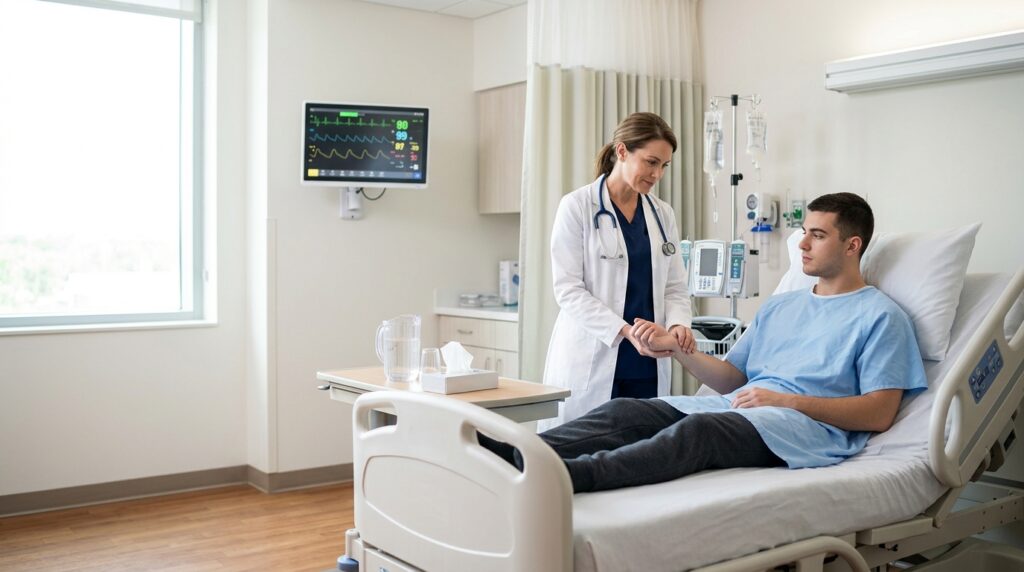
Drug induced psychosis always needs hospital treatment initially. The patient is hospitalized and placed in a secure ward where symptoms can be managed safely and withdrawal can take place alongside psychiatric stabilization
Move To Outpatient Care
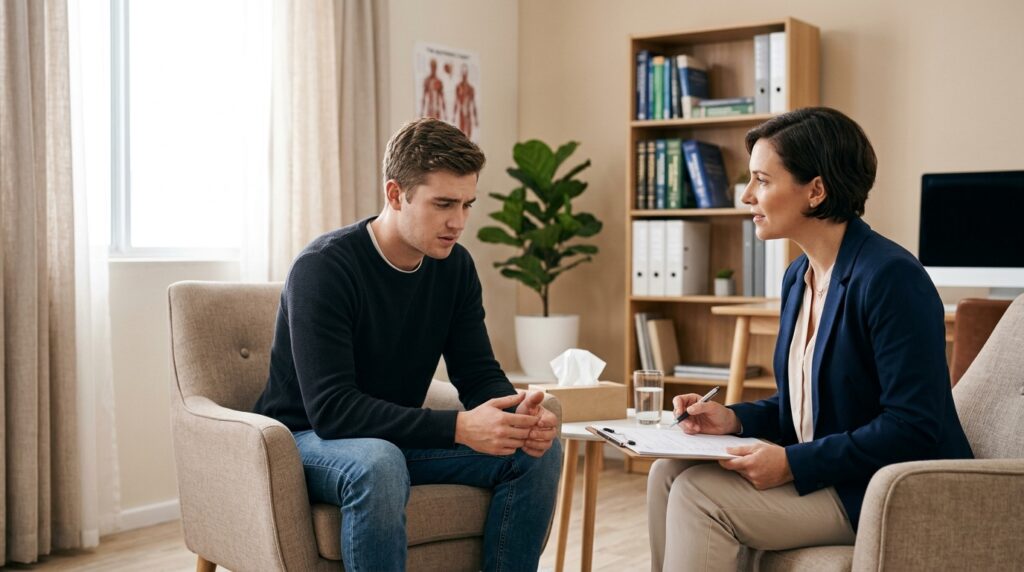
When the patient is stabilized, it becomes an outpatient program involving therapy and addiction treatment.
Drug-Induced Schizophrenia Program
Some patients experience psychotic symptoms similar to those of schizophrenia due to heavy drug or alcohol consumption. It is necessary to distinguish drug induced symptoms from psychiatric symptoms through continuous observation.
Our Drug Induced Schizophrenia program in Islamabad includes observation of symptoms for resolution with sobriety or treatment of symptoms as they are psychiatric.
Drug-Induced Psychosis Specialist
Treating drug-induced psychosis takes a different kind of expertise than treating addiction or a standalone psychiatric condition alone. Every patient at Healing Door is seen by a drug-induced psychosis specialist in Islamabad who understands both the psychiatric and addiction sides of the condition.
Drug-Induced Psychiatric Treatment
Psychosis is only one way substances can affect the mind. Depression, anxiety, and severe mood disturbances can also be triggered by drug use. Our drug-induced psychiatric treatment in Islamabad covers this full range, not psychosis alone, so nothing gets missed.
Drug-Induced Mental Illness Treatment
The goal isn't just to get through the acute episode. Our drug-induced mental illness treatment in Islamabad continues past stabilization, with ongoing therapy and monitoring to catch any symptoms that persist or return.
Location: Bani Gala
Our center operates in the quiet surroundings of Bani Gala, Islamabad, away from the noise of the city. For patients searching for a drug-induced disorder treatment center near them in Islamabad, Bani Gala offers a secure, private setting suited to psychiatric stabilization.
Confidentiality
A psychiatric crisis is not something families want made public. Healing Door keeps admissions, records, and the treatment environment completely confidential, so patients and families can focus on stabilization and recovery without added exposure.
Who We Serve
Healing Door treats drug-induced psychosis and related disorders in patients from across Pakistan, not only Islamabad. Patients have been admitted from:
Islamabad
Rawalpindi
Peshawar
Lahore
Karachi
Multan
Swat
As well as other major cities across the country.
Why Choose Healing Door?
Families need professional care, medical supervision, confidentiality, and recovery support.
Experienced Medical & Clinical Staff
Patients are treated by psychiatrists and physicians experienced in both addiction and psychiatric emergencies, not general staff unfamiliar with drug-induced conditions.
Dual Expertise in One Facility
Psychosis stabilization and addiction treatment happen together, under one care team, instead of being handled at separate facilities.
Privacy and Confidentiality
Admissions are discreet, and confidentiality is built into every part of care.
24/7 Emergency Availability
Our helpline and clinical team are available at any hour, because a psychiatric emergency doesn't wait.
What Our Clients Say

 Hamza Shah
Trustindex verifies that the original source of the review is Google.
best rehab center in islamabad pakistan Rohab KhanHighly recommended rehabilitation center in Islamabad
 Yaseen KhanOne of the best rehabilitation center in islamabad pakistan
 Atif MuhammadBest rehab for drugs and alcohol addiction treatment in Islamabad
 Kashaf KhanBest rehabilitation center in islamabad pakistan
 Mashal KhanAmazing work … highly recommended
 MaqsOod IqbalSumptuous rehab center in Islamabad for schizophrenia and psychiatric disorder treatment
 Shahab AliHighly recommended Neat and clean environment Highly qualified and experienced staff
 Arif KhanOf all the rehabilitation centers I have seen in Pakistan, I am most satisfied with this center because I have treated about three patients there and I am very satisfied with them and also with their staff and their treatment routine. Very satisfied with them and I would like to say to others that whatever your drug addiction is, send it to Islamabad HDRC.
Frequently Asked Questions(FAQs):
Yes. The admissions, documentation, and setting are fully private.
Yes, usually it does. The patient undergoes stabilization in a secure ward and then moves to outpatient treatment.
By careful monitoring. Certain symptoms will go away once the patient becomes sober, while other symptoms show that there is a condition that requires long-term treatment.
Yes. The patient is under 24-hour supervision of doctors and psychiatrists during the stabilization period.
Yes. They are both treated as they have the same source.
Yes. We take patients from Rawalpindi, Peshawar, Lahore, Karachi, Multan, Swat, and other cities.
Reaching Out Is the Hardest Step. We'll Help With the Rest.
Call
+92-0340-4638238
Working Hours
Open 24 hours
Address:
Opposite Mezan Bank, bani Gala, Islamabad