Taking the first step out of addiction is often the hardest part of the entire recovery journey, and that first step is almost always detox. When the body has become dependent on a substance whether it’s heroin, ICE, alcohol, benzodiazepines, or prescription medication stopping abruptly is not just a psychological struggle. It can be physically dangerous. Withdrawal symptoms such as seizures, extreme anxiety, dangerous fluctuations in blood pressure, or an irregular heartbeat can, in some cases, become life-threatening if they aren’t managed under proper medical supervision.
This is exactly why more people across Islamabad and the rest of Pakistan are now searching for medical detox Islamabad because awareness is growing that attempting to detox at home, or “going cold turkey” without medical support, carries real risks. In this article, we’ll break down what medical detox actually involves, why it matters, what the process looks like in Islamabad, and how a trusted, UNODC-accredited facility can make this journey both safe and effective.
What Is Medical Detox?
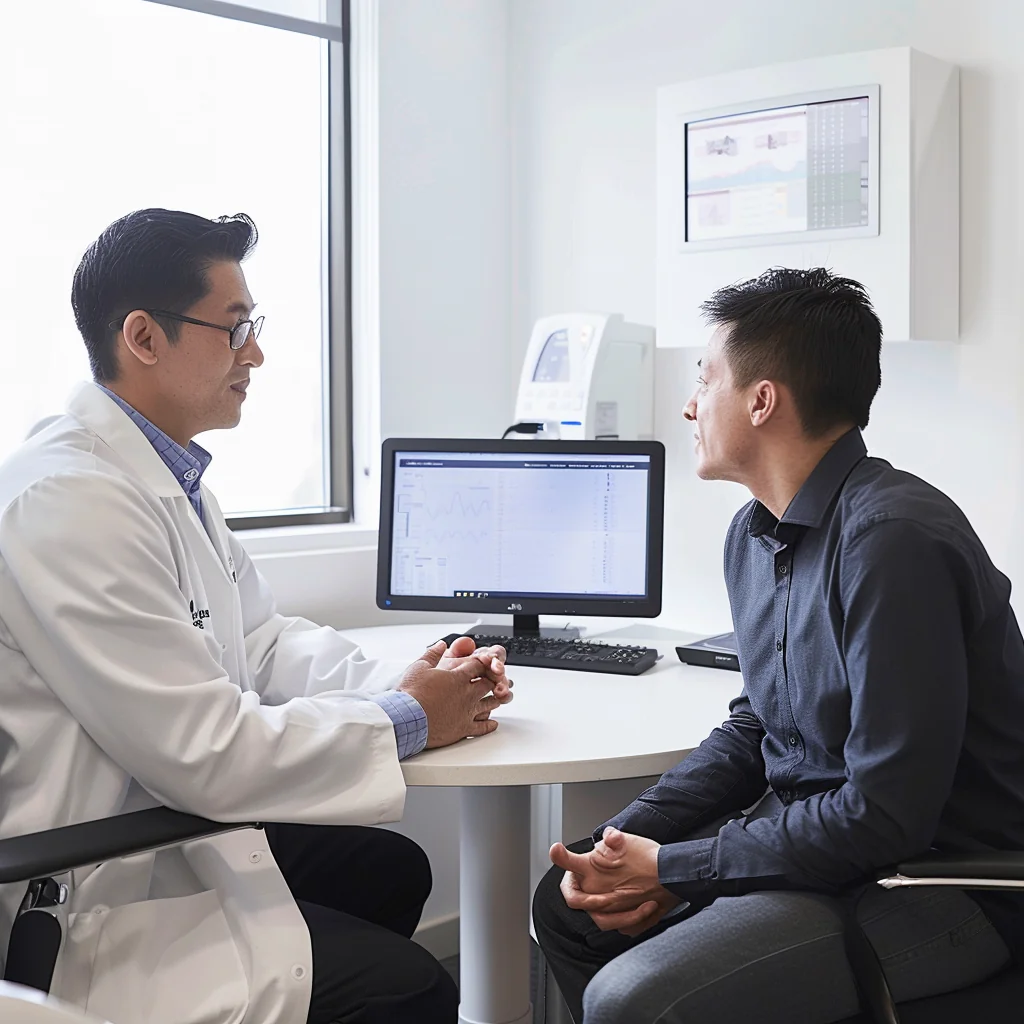
Medical detoxification is a clinically supervised process in which addictive substances are cleared from a patient’s system under the direct care of physicians and trained medical staff. The goal isn’t simply to stop substance use — it’s to safely manage the withdrawal symptoms that follow.
A professional detox program typically includes:
- Medical assessment a full review of the patient’s health history, the severity of their addiction, and any underlying conditions (such as diabetes, heart disease, or a psychiatric disorder)
- 24/7 monitoring continuous tracking of vital signs, hydration levels, and withdrawal symptoms
- Medication management where clinically appropriate, medications are used to ease withdrawal symptoms and keep the process as safe and comfortable as possible
- Emotional support because detox is not just a physical process, but a psychological one as well
All of this takes place in a controlled, hospital-like environment not at home, where complications cannot be addressed in time.
Why Detoxing at Home Is Risky
Many families believe that addiction can be overcome through willpower alone keeping a loved one at home and hoping the worst will pass in a few days. But the reality is quite different:
- Withdrawal symptoms are unpredictable. Alcohol and benzodiazepine withdrawal, in particular, can trigger seizures and delirium tremens, both of which can be fatal without medical intervention.
- The risk of relapse is significantly higher. Without proper medical support, patients often return to substance use sometimes simply to escape the physical discomfort of withdrawal.
- Underlying psychiatric conditions go undiagnosed. Many addiction cases are accompanied by depression, anxiety, or psychosis, which only a trained psychiatrist can properly identify and treat.
- There’s no immediate emergency response. If something goes wrong at home, the time it takes to reach a hospital can be critical and sometimes too late.
This is why medical experts consistently recommend that detox always take place at an accredited facility, where doctors, nurses, and psychiatrists work together as a coordinated clinical team.
Medical Detox Options in Islamabad
Islamabad is one of the cities in Pakistan where demand for addiction treatment has grown rapidly in recent years. This isn’t only because of rising substance abuse it also reflects growing awareness that addiction is a medical condition, not a moral failing, and that it can be effectively treated.
When choosing a rehab center, patients and their families should look closely at a few key factors:
- Is the facility accredited (for example, by UNODC or IHRA Pakistan)?
- Are there qualified psychiatrists and addiction specialists on staff?
- Is the detox process medically supervised, or is it purely counseling-based?
- Does the facility maintain strict confidentiality and privacy?
- Is there a structured aftercare and relapse-prevention program?
Few facilities in Islamabad meet all of these standards consistently. This is one of the reasons Healing Door Rehab & Psychiatric Center (HDRC) is regarded as one of the most trusted options in the city a UNODC-accredited center with over 10 years of experience in addiction and psychiatric care.
Healing Door Rehab Center: A Trusted Name in Medical Detox
Located in Bani Gala, Islamabad, Healing Door Rehab Center treats detox not as an isolated event but as a fully clinical, individualized process. HDRC’s detoxification services are physician-monitored, with a personalized plan built for every patient because every case of addiction, every body, and every withdrawal experience is different.
Some of the features that set HDRC’s detox program apart:
- A comfort-focused environment detox takes place in a secure, controlled setting where patient privacy and dignity are protected
- Personalized detox plans following assessment, a customized medication and monitoring plan is developed for each individual
- Compassionate symptom management withdrawal symptoms are actively managed medically, rather than simply endured
- 24/7 clinical oversight physicians and nursing staff are available around the clock
This approach doesn’t stop at detox it forms the foundation of a broader recovery journey that continues into therapy and long-term aftercare.
What Happens After Detox? The Full Treatment Journey
One critical thing to understand: detox alone is not treatment it’s only the first step. Once a substance has left the body, the underlying psychological, emotional, and social causes of the addiction still need to be addressed. That’s why a complete rehab program includes several additional stages:
1. Assessment & Evaluation
Every patient undergoes a detailed clinical assessment covering their addiction history, mental health status, and individual challenges.
2. Personalized Treatment Plan
After detox, patients move into drug addiction treatment, which includes therapy, counseling, and psychiatric care tailored to their specific needs.
3. Recovery & Aftercare Support
Long-term sobriety depends on family involvement, relapse-prevention strategies, and structured aftercare — helping patients not just stay “clean,” but rebuild a productive, stable life.
Within this broader process, some substances require specialized handling — particularly alcohol and stimulants like ICE.
Alcohol and ICE Detox: Different Substances, Different Approaches
Every substance has its own withdrawal profile, which is why a well-run rehab center tailors its detox and treatment programs to the specific substance involved.
- Alcohol Abuse Treatment: Alcohol withdrawal can be especially dangerous, carrying a risk of seizures and delirium tremens. A combination of medically managed detox, behavioral therapy, and relapse-prevention planning is essential.
- ICE Rehabilitation: ICE (crystal meth) addiction often comes with psychosis and neurological effects, requiring direct psychiatric supervision alongside stimulant-specific withdrawal management.
This kind of specialization is what separates trained, accredited facilities from generic treatment centers.
A Different Standard of Care for Female Patients
In a society like Pakistan’s, seeking treatment as a female addiction patient carries additional challenges — social stigma, privacy concerns, and, in many cases, a history of trauma. This is why specialized Female Rehabilitation programs are essential, offering:
- A separate, private facility
- Trauma-informed care
- Involvement of female clinical staff throughout treatment
This ensures female patients feel genuinely safe and understood throughout the process.
Psychiatric Care: The Link Between Addiction and Mental Health
Many addiction cases are accompanied by psychiatric conditions depression, anxiety, bipolar disorder, or psychosis. When these two issues are treated separately, the risk of relapse rises significantly. That’s why integrated Psychiatric Services are so important, including:
- A full psychiatric assessment
- Ongoing medication management
- Concurrent treatment of addiction and psychiatric conditions together
This approach ensures patients don’t just become substance-free their overall mental health improves as well.
What to Ask When Choosing Medical Detox in Islamabad
If you or someone close to you is searching for medical detox in Islamabad, here are the questions worth asking:
- Is the facility accredited by UNODC or another recognized body?
- Which doctors and staff will be present during detox?
- What arrangements exist for emergency situations?
- What does the treatment plan look like after detox?
- Is family involvement and counseling part of the program?
- What is the facility’s location and level of privacy?
If the answers to these questions are clear and confident, you can be reasonably sure you’re in the right place.
Why Healing Door Rehab Center Is Islamabad’s Trusted Choice
Over more than 10 years, HDRC has built a strong reputation in Islamabad not only for detox, but for complete addiction and psychiatric care. The facility is accredited by UNODC and approved by IHRA Pakistan. Its team includes qualified psychiatrists, addiction therapists, and medical officers who assess every patient individually there is no generic, one-size-fits-all template.
The center’s mission, outlined on its About Us page, is clear: structured, evidence-based treatment that addresses the root cause of addiction, not just its symptoms. The full range of services can be found on the Our Program page, where drug addiction treatment, detox, alcohol treatment, psychiatric services, and other specialized programs are all listed in one place.
If you have questions such as the difference between inpatient and outpatient treatment, or how long detox typically takes the FAQs page offers detailed, straightforward answers.
Take the First Step
Recovery from addiction is undeniably difficult, but it shouldn’t be faced alone. Medical detox — when carried out professionally and safely isn’t just a life-saving step. It’s the first solid move toward a healthier, more stable life.
If you or someone you care about is searching for medical detox in Islamabad, reaching out to an accredited, experienced facility like Healing Door Rehab Center is a decision worth taking seriously. The team is available 24/7, and the first step always begins with a confidential consultation.
Contact Healing Door Rehab Center today to begin a safe, medically supervised recovery journey for yourself or someone you love.