Many people who drink heavily for months or years reach a point where they want to stop. They often discover that stopping is harder, and sometimes more dangerous, than they expected. Within hours of the last drink, the body can react with shaking hands, sweating, anxiety, and a pounding heart. For some people the reaction goes much further and becomes a medical emergency.
This guide explains what alcohol withdrawal is, which symptoms to watch for, how they progress over time, and why professional support matters. If you or someone you love is struggling with alcohol, understanding withdrawal is the first step toward safe recovery.
What Is Alcohol Withdrawal?
Alcohol withdrawal is the group of physical and psychological symptoms that appear when someone who has been drinking heavily and regularly suddenly stops or sharply reduces their intake. It is a sign of physical dependence, meaning the body has adapted to alcohol and now struggles to function normally without it.
Withdrawal can range from mild discomfort to a life-threatening condition. Because the severity is hard to predict, even people who have gone through mild withdrawal before can have a much harder time on the next attempt. Medical professionals often describe this as a “kindling” effect: each withdrawal episode can make the next one more severe.
Why Does Withdrawal Happen?
Alcohol is a central nervous system depressant. It slows brain activity by boosting GABA, the brain’s main calming chemical, and by dampening glutamate, the main excitatory chemical. When someone drinks heavily over a long period, the brain compensates. It reduces its own calming signals and increases its excitatory activity to keep functioning despite the constant presence of alcohol.
When alcohol is suddenly removed, that balance collapses. The brain is left in an overstimulated state, with too little calming activity and too much excitement. The result is the agitation, tremors, rapid heartbeat, anxiety, and in severe cases seizures and hallucinations that characterize withdrawal.
Mild Alcohol Withdrawal Symptoms
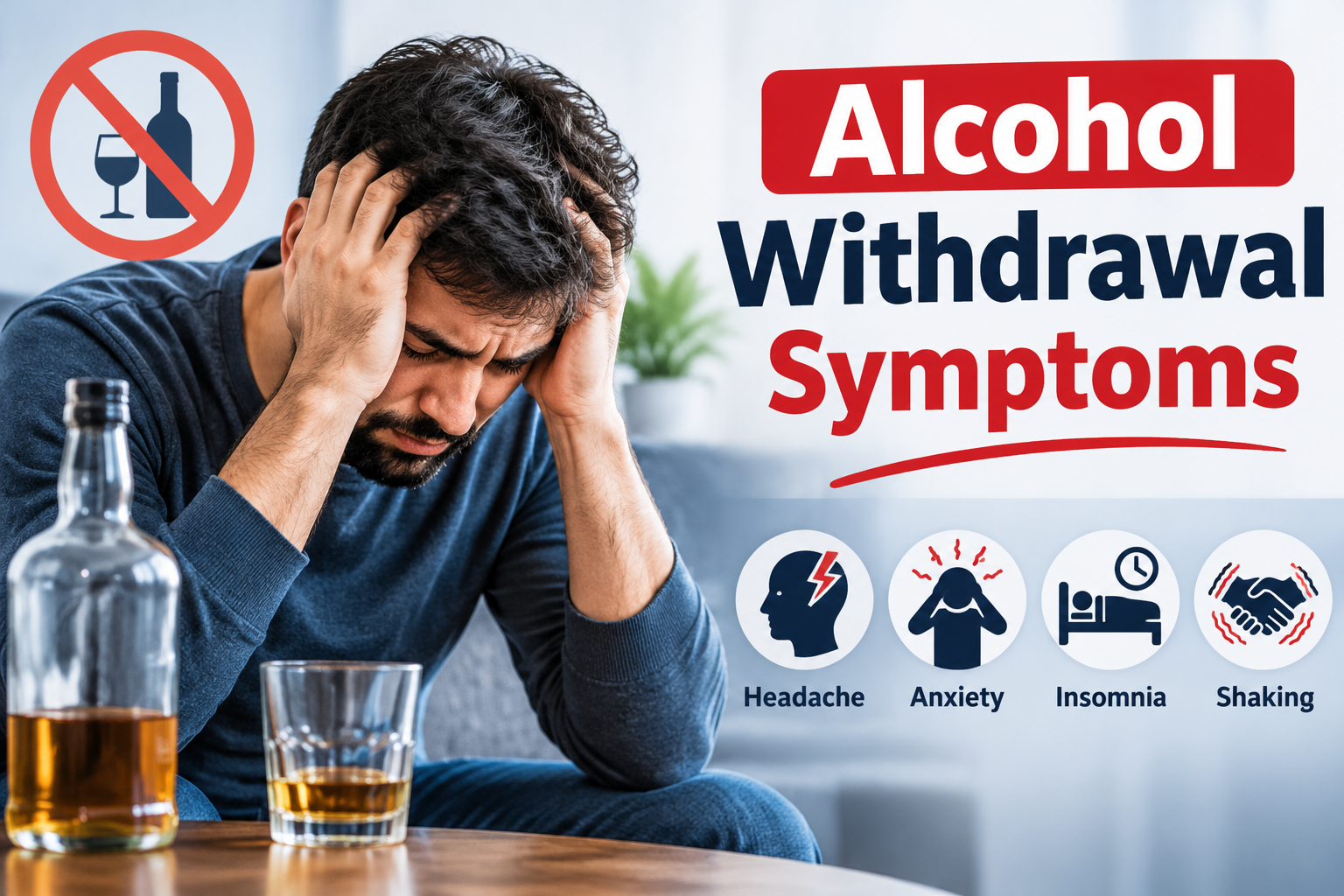
Mild symptoms usually begin within 6 to 12 hours after the last drink, and sometimes even while blood alcohol is still falling. Common signs include:
- Anxiety and nervousness: a constant sense of dread, restlessness, or feeling “on edge”
- Tremors (“the shakes”): most noticeable in the hands, but sometimes in the whole body
- Headache: often throbbing and persistent
- Nausea and vomiting: loss of appetite and stomach upset are very common
- Sweating: especially at night, along with clammy skin
- Insomnia: difficulty falling or staying asleep, often with vivid or disturbing dreams
- Irritability and mood swings: a short temper or feeling emotionally fragile
- Fatigue and difficulty concentrating: mental fog that makes ordinary tasks feel hard
- Rapid heartbeat and mild blood pressure changes
These symptoms are unpleasant but are often manageable with medical guidance. The danger is that people treat them as “just a hangover” and miss the early signs of something more serious.
Moderate to Severe Withdrawal Symptoms
As withdrawal progresses, symptoms can intensify. Warning signs of moderate to severe withdrawal include:
- Fever and heavy, drenching sweats
- High blood pressure and a racing pulse
- Severe tremors that make it hard to hold a cup or write
- Persistent vomiting leading to dehydration
- Intense agitation or panic
- Confusion and disorientation
- Hallucinations, such as seeing, hearing, or feeling things that are not there
- Seizures
Withdrawal seizures are one of the most serious early complications. They can occur as soon as 6 to 48 hours after the last drink and may happen without warning, even in people who seemed to have only mild symptoms.
Delirium Tremens: The Most Dangerous Form of Withdrawal
Delirium tremens, commonly called DTs, is the most severe form of alcohol withdrawal. It affects a small percentage of people going through withdrawal, but it is a medical emergency. Without treatment it can be fatal. With prompt hospital care, the risk of death falls substantially.
DTs typically begin 48 to 96 hours after the last drink, though they can appear later. Symptoms include:
- Severe confusion and disorientation
- Vivid hallucinations, visual, auditory, or tactile
- Extreme agitation and restlessness
- High fever
- Very fast heart rate and dangerously high blood pressure
- Heavy sweating
- Seizures
- Deep sleep lasting a day or more after an episode
Risk factors for DTs include a long history of heavy drinking, previous withdrawal seizures or DTs, older age, other medical conditions such as liver disease or infections, and abrupt cessation without medical supervision. Anyone showing signs of confusion, hallucinations, or seizures during withdrawal needs emergency care immediately.
Alcohol Withdrawal Timeline: What to Expect Hour by Hour
Every person’s experience is different, but withdrawal generally follows a recognizable pattern.
6 to 12 hours after the last drink: Early symptoms appear. These include anxiety, shaking, headache, nausea, sweating, and difficulty sleeping.
12 to 24 hours: Symptoms may worsen. Some people experience hallucinations at this stage, usually while remaining aware that what they are seeing or hearing is not real.
24 to 48 hours: Symptoms often peak in intensity. The risk of withdrawal seizures is highest during this window. Blood pressure, heart rate, and body temperature may rise.
48 to 72 hours: This is the period when symptoms are typically most severe. It is also when delirium tremens may begin in vulnerable individuals.
3 to 7 days: For most people, physical symptoms start to ease after the third day and gradually improve over the following days. Sleep problems, anxiety, and low mood often continue.
Beyond one week: Some people experience post-acute withdrawal symptoms (PAWS), which can last weeks or even months. These include mood swings, irritability, sleep disturbance, low energy, cravings, and trouble concentrating. They are not signs of failure. They are part of the brain’s slow return to balance.
Who Is at Greater Risk of Severe Withdrawal?
Not everyone who stops drinking will experience severe symptoms, but certain factors raise the risk:
- Drinking heavily every day for months or years
- A history of previous withdrawal episodes, especially seizures or DTs
- Combining alcohol with sedatives, sleeping pills, or other substances
- Co-existing medical conditions, such as liver disease, heart problems, or infections
- Poor nutrition and dehydration
- Older age
- Co-occurring mental health conditions such as depression or anxiety disorders
Because there is no reliable way to predict who will have a severe reaction at home, medical evaluation before quitting is strongly recommended for anyone who drinks heavily.
Why You Should Not Detox Alone
Many people try to quit “cold turkey” at home out of shame, privacy concerns, or fear of how others will react. In many communities, including in Pakistan, where alcohol use carries heavy social stigma, people may avoid seeking help altogether. Unfortunately, this silence can be dangerous.
Unsupervised withdrawal carries real risks:
- Seizures and DTs can develop suddenly, and no one may be present to call for help.
- Dehydration and electrolyte imbalances from vomiting and sweating can affect the heart and brain.
- Severe discomfort often leads to relapse. Many people return to drinking just to relieve symptoms, which restarts the cycle.
- Underlying conditions go unnoticed. Liver problems, infections, or nutritional deficiencies may need treatment alongside withdrawal.
Seeking help is not weakness. It is the safest and most effective way to begin recovery. A confidential, professional setting such as Healing Door Rehab allows people to get support without judgment.
How Medical Detox Works
Medical detoxification is the supervised process of clearing alcohol from the body while managing withdrawal symptoms safely. A typical process includes:
Assessment. Clinicians review drinking history, previous withdrawal experiences, medical conditions, current medications, and mental health. Severity scoring tools help guide treatment decisions.
Medication. Doctors commonly use benzodiazepines to calm the overactive nervous system, prevent seizures, and reduce the risk of DTs. Other medications may help with nausea, blood pressure, sleep, or agitation. These medicines must only be taken under medical supervision, since they carry their own risks.
Monitoring. Vital signs such as heart rate, blood pressure, and temperature are checked regularly. Staff watch for confusion, hallucinations, and other warning signs so they can respond quickly.
Hydration and nutrition. Fluids, electrolytes, and vitamins, especially thiamine (vitamin B1), are often given. Heavy drinking commonly depletes thiamine, and deficiency can cause serious brain damage if left untreated.
Emotional support. A calm, reassuring environment reduces fear and helps people stay committed to the process.
Detox is an essential first step, but it is not a cure. It treats the physical dependence, not the reasons someone began drinking in the first place.
Life After Detox: Why Rehabilitation Matters
Completing withdrawal does not mean the work is finished. Without ongoing support, relapse rates are high. Recovery programs address the behavioral, emotional, and social roots of alcohol use disorder. Effective treatment commonly includes:
- Individual counseling and cognitive behavioral therapy (CBT) to identify triggers, challenge unhelpful thinking, and build healthier coping skills
- Group therapy and peer support to reduce isolation and learn from others on the same path
- Family involvement to repair trust and create a supportive home environment
- Treatment of co-occurring conditions such as depression, anxiety, or trauma
- Relapse prevention planning with practical strategies for cravings, stress, and high-risk situations
- Medication support, where appropriate, to reduce cravings and support long-term abstinence
- Aftercare and follow-up to maintain progress once formal treatment ends
Residential programs offer a structured, distraction-free setting, which can be especially valuable for people whose home environment makes staying sober difficult. You can learn more about professional treatment options at Healing Door Rehab’s addiction treatment programs.
Tips for Coping During Recovery
While professional care is the foundation, these practices can support the process:
- Stay hydrated and eat regular, nutritious meals, even if appetite is low.
- Prioritize rest. Sleep may be disrupted at first, but a calm routine helps.
- Avoid triggers. Stay away from places, people, and situations associated with drinking.
- Practice gentle movement, such as walking, once cleared by a doctor.
- Use relaxation techniques, such as slow breathing, prayer, or meditation.
- Lean on trusted people. Tell a family member or friend what you are going through.
- Take it one day at a time. Recovery is a process, not a single event.
How to Support a Loved One Going Through Withdrawal
Watching someone you care about struggle with alcohol can be frightening and exhausting. You can help by:
- Encouraging them to see a doctor or addiction specialist before they stop drinking
- Speaking with compassion rather than blame
- Learning about withdrawal so you can recognize danger signs
- Offering practical help, such as transport to appointments
- Never leaving someone alone during severe withdrawal
- Taking care of your own wellbeing, since caregivers need support too
If you are unsure where to begin, reaching out to a professional team such as Healing Door Rehab can help families understand their options and take the first step together.
When to Seek Emergency Help Immediately
Call emergency services or go to the nearest hospital if someone going through alcohol withdrawal has:
- A seizure
- Hallucinations or severe confusion
- A high fever
- A very rapid or irregular heartbeat
- Chest pain
- Persistent vomiting and inability to keep fluids down
- Extreme agitation or violent behavior
- Loss of consciousness
Do not wait to see if symptoms improve on their own.
Frequently Asked Questions
How long do alcohol withdrawal symptoms last?
Most physical symptoms peak within 24 to 72 hours and improve within five to seven days. Psychological symptoms like anxiety, low mood, and poor sleep can last longer.
Can alcohol withdrawal kill you?
Yes. Severe withdrawal, especially seizures and delirium tremens, can be fatal without medical treatment. This is why supervised detox is strongly recommended.
Can I stop drinking gradually at home?
Tapering is sometimes used, but it should only be done under a doctor’s guidance. Self-managed tapering often fails and can be risky.
Do all heavy drinkers experience withdrawal?
Not everyone does, but anyone who drinks heavily and regularly is at risk. Severity varies widely and is hard to predict.
Is recovery really possible?
Absolutely. Millions of people have recovered from alcohol dependence. With proper medical care, therapy, and support, lasting sobriety is achievable.
Final Thoughts
Alcohol withdrawal is a serious medical process, not a test of willpower. Symptoms can begin within hours, peak within two to three days, and, in some cases, escalate into life-threatening complications. The good news is that with early recognition and professional care, withdrawal can be managed safely, and it can mark the start of a healthier life.
If you or someone close to you is ready to stop drinking, do not go through it alone. Reach out to a medical professional or a trusted treatment center like Healing Door Rehab for confidential guidance, compassionate care, and a clear path forward. Taking that first step is the hardest part, and it is also the bravest.