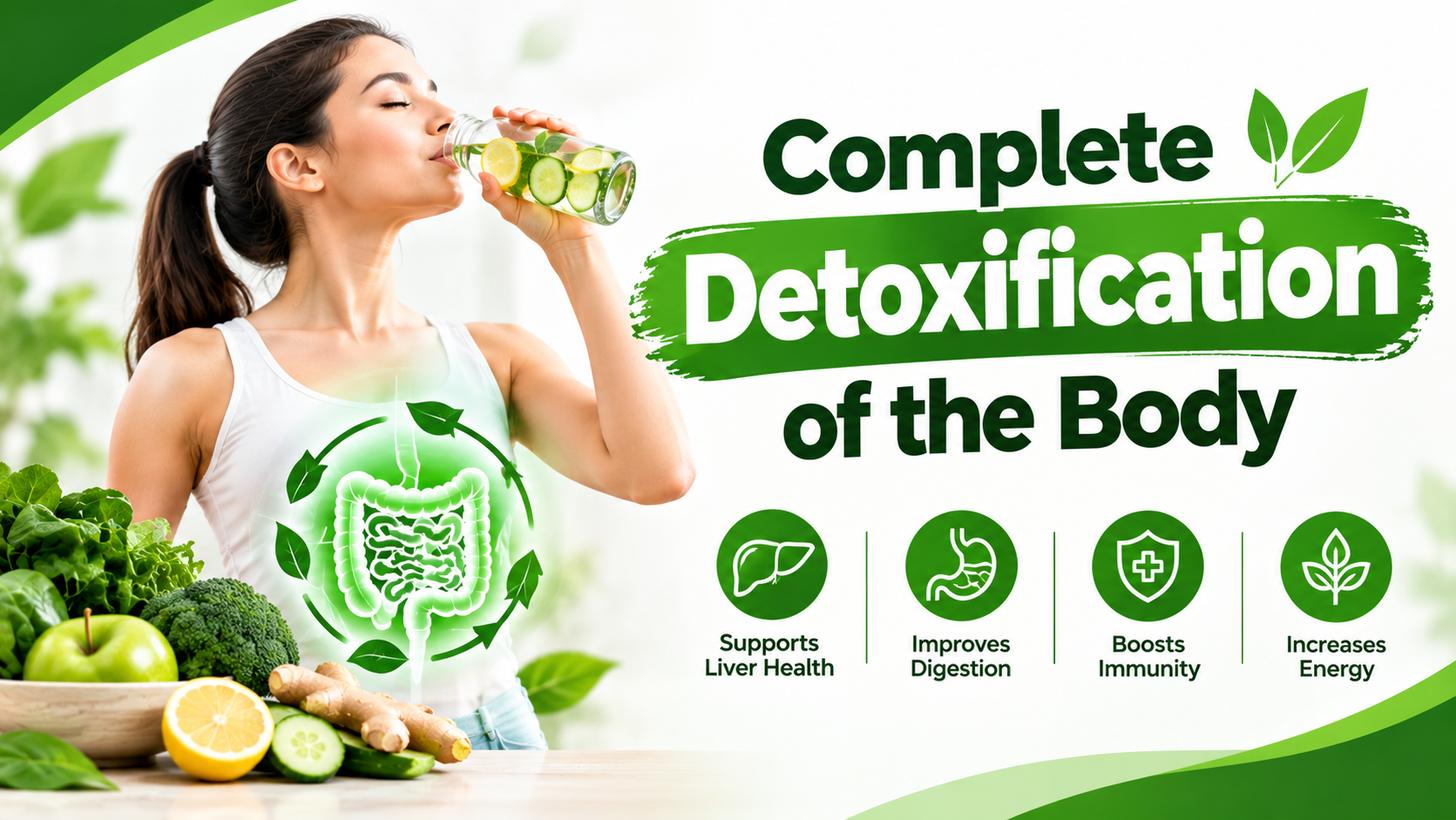
Few phrases in modern wellness are as popular, or as misunderstood, as “complete detoxification of the body.” Juice cleanses, herbal teas, foot pads, and expensive “detox kits” promise to flush out every toxin in a matter of days. Meanwhile, for people living with drug or alcohol dependence, detoxification means something very different: a serious medical process that can be uncomfortable, and sometimes dangerous, without proper supervision.
This article separates the two. You’ll learn how your body already detoxifies itself, which popular claims have no scientific backing, how to support your natural detox systems, and when detoxification needs to happen under professional care.
What Does “Detoxification” Actually Mean?
The word has two meanings, and confusing them causes real harm.
1. General wellness detox. This is the idea that everyday toxins from food, pollution, stress, and lifestyle build up in the body and need to be “flushed out.” It is mostly a marketing concept. Healthy people do not accumulate mysterious toxins that require a special product to remove.
2. Medical detoxification. This is the clinically managed process of allowing the body to clear a substance such as alcohol, opioids, benzodiazepines, or stimulants, while a medical team manages withdrawal symptoms and keeps the person safe. It is a recognized first stage of addiction treatment, not a lifestyle trend.
Keeping this distinction in mind will help you make safer decisions, whether you want to feel healthier or you’re worried about someone who is dependent on a substance.
How Your Body Detoxifies Itself Every Day
Your body doesn’t wait for a cleanse. It runs a 24-hour detoxification system built from several organs working together.
The liver is the main processing plant. It converts alcohol, medications, hormones, and many harmful compounds into forms the body can eliminate. It does this in two broad phases, first chemically modifying substances, then making them water-soluble so they can be excreted.
The kidneys filter the blood continuously, removing waste products and excess fluid through urine. They also regulate electrolytes and blood pressure.
The intestines eliminate waste and bile, which carries away substances the liver has processed. A healthy gut lining also acts as a barrier against harmful organisms.
The lungs expel carbon dioxide and some volatile compounds with every breath.
The skin helps regulate temperature through sweat. Sweating is not a major route for removing toxins, despite what saunas and detox patches suggest.
The lymphatic and immune systems clear cellular debris and defend against infection.
When these organs are healthy, they handle detoxification without special products. The practical question is not “how do I force toxins out?” but “how do I keep these organs working well?”
Popular Detox Myths That Don’t Hold Up
Understanding what doesn’t work can save you money and protect your health.
Myth: Juice cleanses and fasting flush out toxins. There is no good evidence that extreme juice diets remove toxins. They can leave you short on protein, cause blood sugar swings, and trigger fatigue, headaches, and muscle loss. People with diabetes, kidney disease, or eating disorders can be seriously harmed.
Myth: Detox teas and supplements cleanse the body. Many of these products are laxatives or diuretics. They cause fluid loss, not toxin removal. Overuse can lead to dehydration, electrolyte imbalance, and dependence on laxatives. Some supplements have also been linked to liver injury.
Myth: Foot pads and ionic foot baths draw out toxins. There is no credible evidence for this. The color change in the water or pad comes from the product’s chemistry, not from your body.
Myth: Colon cleansing is necessary. Your colon doesn’t need to be flushed. Colon hydrotherapy can cause cramping, infection, and bowel injury.
Myth: You can detox from heavy drug or alcohol use at home with herbs and water. This is the most dangerous myth of all, and we’ll cover it in detail below.
A good rule of thumb: if a product promises to “remove all toxins” without naming a specific toxin or any supporting evidence, treat the claim with skepticism.
Supporting Your Body’s Natural Detox Systems
You can’t force your organs to work harder, but you can remove obstacles and give them what they need. These evidence-friendly habits support the whole system.
Drink enough water. Hydration helps the kidneys filter waste and keeps digestion moving. Most healthy adults do well by drinking regularly through the day and responding to thirst, adjusting for heat and activity.
Eat a varied, whole-food diet. Vegetables, fruit, legumes, whole grains, and healthy fats supply the vitamins, minerals, antioxidants, and fiber your liver and gut rely on. Fiber in particular supports regular elimination and a healthy gut microbiome. Sufficient protein is also needed, because the liver uses amino acids in its detox pathways.
Limit alcohol and avoid tobacco. Alcohol is a direct liver toxin, and tobacco smoke burdens the lungs and cardiovascular system. Cutting back is one of the most effective “detox” steps available.
Sleep well. During sleep, the body repairs tissue and the brain clears metabolic waste. Chronic sleep loss undermines nearly every system involved in recovery and health.
Move your body. Regular physical activity improves circulation, supports digestion, helps regulate blood sugar, and reduces stress hormones.
Manage stress. Long-term stress affects digestion, immunity, sleep, and the likelihood of unhealthy coping habits. Breathing exercises, time outdoors, prayer or meditation, and talking with trusted people all help.
Reduce avoidable exposures. Wash produce, avoid smoking indoors, ventilate your home, and follow safety guidance when handling chemicals or pesticides.
Keep up with medical checkups. If you have ongoing fatigue, unexplained weight changes, jaundice, or abnormal blood tests, see a doctor rather than self-treating with a cleanse.
Medical Detoxification: When Detox Is a Clinical Necessity
For someone physically dependent on a substance, the body has adapted to its constant presence. When use stops or drops sharply, the nervous system can react with withdrawal symptoms. These range from uncomfortable to life-threatening depending on the substance, the length of use, the amounts, the person’s health, and any co-occurring conditions.
Medical detoxification exists to make this phase safer and more manageable. It typically involves:
- A thorough assessment of physical and mental health
- Monitoring of vital signs and symptoms
- Medication, when clinically appropriate, to ease withdrawal and reduce risk
- Hydration, nutrition, and rest support
- Psychological support during a vulnerable time
- Planning for what comes next
At Healing Door Rehab & Psychiatric Center in Islamabad, detoxification is provided under qualified medical supervision, so withdrawal is managed as part of a larger recovery plan rather than endured alone.
Why Withdrawal Can Be Dangerous
Different substances produce different withdrawal patterns. The details below are general and are not a substitute for individual medical assessment.
Alcohol. Withdrawal from heavy, long-term drinking can cause tremors, sweating, anxiety, nausea, and insomnia. In severe cases it can progress to seizures and delirium tremens, a medical emergency. Stopping suddenly without supervision can be life-threatening. Learn more about structured care on our alcohol abuse treatment page.
Opioids and heroin. Withdrawal is typically described as severe flu-like illness, with muscle and bone pain, vomiting, diarrhea, sweating, restlessness, and intense cravings. It is rarely life-threatening on its own, but the distress, dehydration, and powerful relapse risk make supervision valuable. A returning user who relapses after detox also faces a higher overdose risk because tolerance has dropped.
Benzodiazepines and sedatives. Stopping suddenly after long-term use can cause rebound anxiety, insomnia, and seizures. These medications usually require a carefully planned, gradual reduction under medical guidance.
ICE (crystal methamphetamine) and other stimulants. Withdrawal can involve severe fatigue, deep depression, agitation, sleep disturbance, and intense cravings, sometimes with paranoia or psychotic symptoms. Our ICE rehabilitation program addresses both the physical and psychological demands of recovery.
Cocaine. Withdrawal is mainly psychological, with low mood, exhaustion, and strong cravings, though depression can become serious. See our page on cocaine addiction for more.
Many people also live with an underlying mental health condition such as depression, anxiety, bipolar disorder, or psychosis. When substance use and mental illness overlap, withdrawal can intensify symptoms, which is why integrated care matters. Healing Door’s psychiatric services and mental health care work alongside addiction treatment for exactly this reason.
The Stages of a Medically Supervised Detox
While every plan is individualized, medical detox generally follows a sequence.
1. Assessment. Clinicians review the person’s substance use history, medical conditions, current medications, mental health, and level of risk. This determines whether inpatient or outpatient care is appropriate.
2. Stabilization. The person is monitored while the substance clears. Symptoms are treated, fluids and nutrition are supported, and complications are anticipated and managed.
3. Preparation for treatment. As the acute phase settles, the focus shifts to readiness for therapy. A person who is physically stable and thinking more clearly can engage far more effectively in counseling.
Detox usually lasts days to a couple of weeks, though some symptoms, such as mood changes, sleep disturbance, and cravings, can persist for weeks or months. That’s why detox should never be treated as the finish line.
Detox Alone Is Not Treatment
This may be the most important point in this article. Clearing a substance from the body does not address why a person began using it or how to stay well afterward. Without further care, relapse is common, because the habits, triggers, stressors, and emotional patterns driving use are still in place.
Comprehensive recovery builds on detox with:
- Individual therapy to understand triggers and change thinking patterns
- Group counseling to reduce isolation and build peer support
- Family involvement to repair trust and create a supportive home environment
- Relapse-prevention planning to recognize cravings and high-risk situations
- Treatment of co-occurring mental health conditions
- Aftercare to sustain progress once formal treatment ends
Healing Door follows this stepwise model, from assessment and personalized planning through therapy and aftercare. You can explore the full range of care on our programs page or read about our approach to drug addiction treatment. Women seeking a private, supportive environment can learn about our female rehabilitation program.
Warning Signs That You Or A Loved One May Need Professional Detox
Consider seeking professional help if you notice:
- Inability to cut down or stop despite wanting to
- Shaking, sweating, nausea, or anxiety when the substance wears off
- Needing larger amounts to get the same effect
- Using to avoid withdrawal rather than for enjoyment
- Previous seizures or severe symptoms when stopping
- Neglecting work, family, or health because of use
- Co-occurring depression, panic, paranoia, or thoughts of self-harm
Seek urgent medical care immediately for seizures, confusion, hallucinations, chest pain, severe vomiting, signs of overdose, or any thought of suicide.
Preparing To Take The First Step
If you or someone you love is considering detox, these steps can help:
- Don’t quit abruptly on your own if you’ve used alcohol, benzodiazepines, or opioids heavily or for a long time. Speak with a medical professional first.
- Be honest during assessment. Accurate information about quantity, duration, and other substances or medications keeps treatment safe.
- Involve a supportive family member if possible. Recovery goes better with encouragement.
- Ask about the full plan. Find out what happens after detox, including therapy and aftercare.
- Choose a confidential, qualified facility with experienced doctors, psychiatrists, and psychologists.
Reaching out is often the hardest part. A consultation doesn’t commit you to anything, and it gives you clear information about the options available. To learn more about the team and philosophy behind Healing Door, visit our About Us page, review the FAQs, or read more articles on our blog.
Frequently Asked Questions
Can the body be completely detoxed in a few days?
For healthy people, the body detoxifies continuously, and there is no reliable way to “complete” it with a short cleanse. For people dependent on substances, medical detox can clear the substance and stabilize withdrawal over days to weeks, but recovery continues well beyond that.
Are detox drinks and teas safe?
Many are unnecessary, and some contain laxatives or diuretics that can cause dehydration and electrolyte problems. Check with a doctor, especially if you have a medical condition or take medication.
Is home detox safe for alcohol or drug dependence?
Not reliably. Withdrawal from alcohol and sedatives in particular can be dangerous. Medical assessment is strongly advised before stopping.
How long does medical detox take?
It depends on the substance, the pattern of use, and the person’s health. Your clinical team can give an individualized estimate after assessment.
What comes after detox?
Ideally, structured therapy, family support, relapse-prevention planning, and aftercare, tailored to the individual.
Final Thoughts
The real story of “complete detoxification of the body” is less glamorous than the marketing, but more reassuring. For most people, your liver, kidneys, lungs, skin, and gut already do the job well, and the best way to help them is steady, sensible habits: good food, water, sleep, movement, and less alcohol and tobacco.
For people struggling with drug or alcohol dependence, detoxification is a different matter entirely. It is a medical process that deserves professional supervision, followed by therapy and support that address the roots of addiction. Nobody has to go through it alone.
If you or someone you care about needs guidance, Healing Door Rehab & Psychiatric Center offers confidential consultations and 24/7 support. Call +92 314 992 2547, message us on WhatsApp, or visit the contact page to take the first step toward recovery.