Heroin addiction is one of the most severe forms of substance dependency, affecting the body, mind, and family life in profound ways. Because heroin withdrawal can be physically dangerous and psychologically overwhelming, professional treatment is not just recommended — it is essential for a safe and lasting recovery. This guide explains what heroin addiction treatment Islamabad actually involves, from the first assessment to long-term relapse prevention, and how Healing Door Rehab Center (HDRC) supports patients and families through every stage.
Understanding Heroin Addiction
Heroin is an opioid that affects the brain’s reward system, quickly leading to physical dependence and tolerance. Over time, the body adapts to the drug’s presence, meaning increasingly higher doses are needed to achieve the same effect, while stopping use suddenly triggers intense withdrawal symptoms. This cycle makes heroin one of the hardest substances to quit without structured medical and psychological support.
Heroin addiction typically affects a person on three levels:
- Physically — through tolerance, dependence, and withdrawal symptoms
- Psychologically — through cravings, mood disturbances, and, in some cases, substance-related psychiatric symptoms
- Socially — through strained relationships, work or academic decline, and isolation from family and friends
Recognizing addiction as a medical condition — rather than a moral failing — is the first step toward seeking appropriate treatment.
Signs That Professional Treatment Is Needed
Families often notice changes before the person struggling with addiction admits there’s a problem. Common signs that professional heroin addiction treatment is needed include:
- Noticeable weight loss and physical deterioration
- Withdrawal from family, friends, and responsibilities
- Financial difficulties or unexplained missing money or valuables
- Mood swings, irritability, or periods of unusual calm followed by agitation
- Needle marks, drug paraphernalia, or secretive behavior
- Failed attempts to quit on their own, followed by relapse
If several of these signs are present, reaching out to a specialized treatment center is a critical next step, rather than waiting for the situation to worsen.
Why Heroin Withdrawal Requires Medical Supervision
Unlike some substances, heroin withdrawal is rarely life-threatening in the same way alcohol or benzodiazepine withdrawal can be, but it is still extremely difficult to manage without support. Symptoms typically begin within 6–12 hours of the last dose and can include:
- Severe muscle aches and bone pain
- Nausea, vomiting, and diarrhea
- Intense anxiety and restlessness
- Insomnia
- Sweating and chills
- Powerful drug cravings
The intensity of these symptoms is a major reason so many people relapse during unsupervised attempts to quit. A medically supervised detoxification program manages these symptoms safely, often using appropriate medical support to ease discomfort and reduce the risk of relapse during the most vulnerable early days of withdrawal.
The Heroin Addiction Treatment Process at Healing Door Rehab Center
Recovery from heroin addiction is rarely a single step — it’s a structured process that moves a person from crisis stabilization to long-term, sustainable sobriety. At HDRC, this process generally follows several key stages.
Step 1: Comprehensive Assessment
Every patient begins with a detailed clinical evaluation covering physical health, addiction history, substance use patterns, and any co-occurring mental health conditions. This assessment allows our medical and psychiatric team to design a treatment plan suited to the individual, rather than applying a generic template.
Step 2: Medically Supervised Detoxification
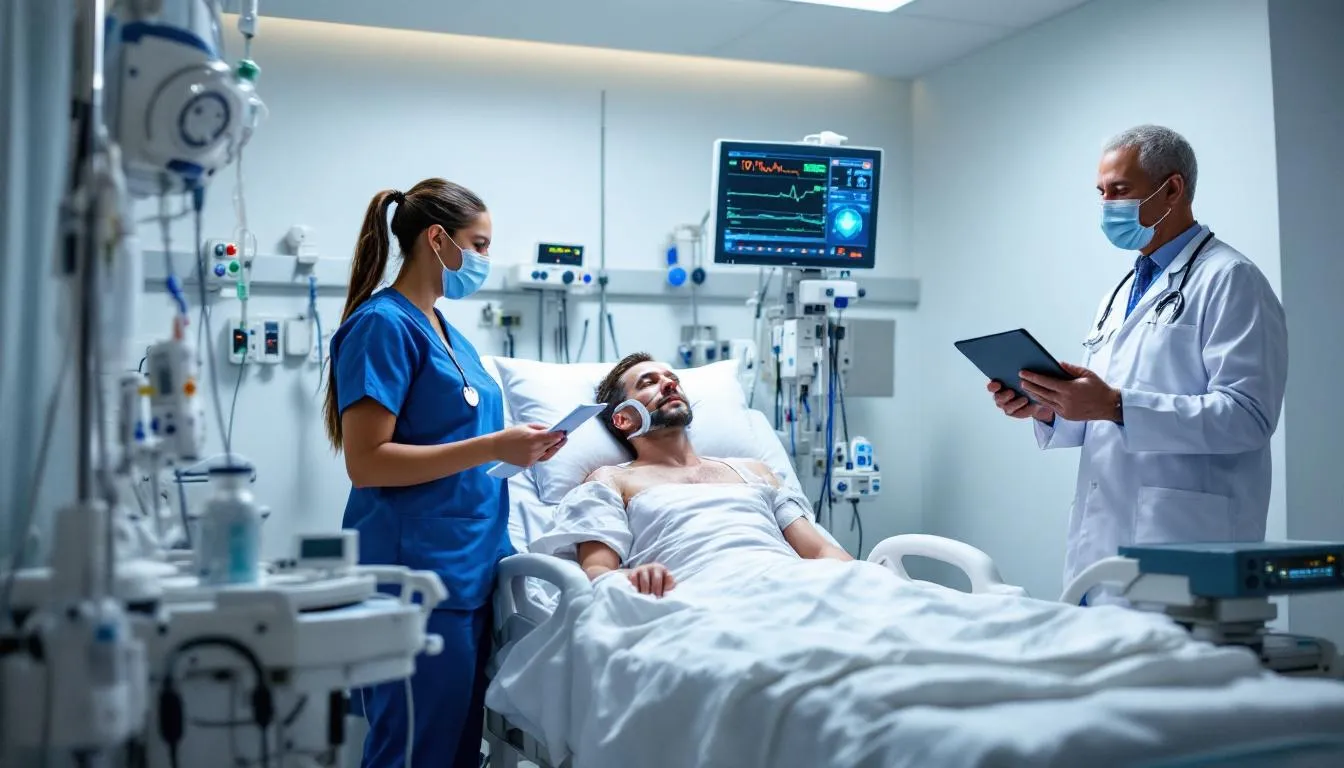
Once assessed, patients typically begin supervised detox, where medical staff monitor vital signs and symptoms around the clock. Medication-assisted support may be used where clinically appropriate to ease withdrawal discomfort and reduce health risks. This stage focuses purely on physical stabilization, preparing the patient for the psychological work ahead.
Step 3: Psychiatric Evaluation and Dual Diagnosis Care
Heroin use often overlaps with underlying mental health conditions such as depression, anxiety, or trauma-related disorders — sometimes as a cause of drug use, sometimes as a consequence of it. Our psychiatric services team evaluates each patient for these co-occurring conditions and treats them alongside the addiction itself, since ignoring one typically undermines recovery from the other.
Step 4: Individual and Group Therapy
After physical stabilization, therapy becomes the core of treatment. Individual counseling helps patients understand the triggers, stressors, and thought patterns behind their drug use, while group therapy builds peer support and accountability among people facing similar struggles. Evidence-based approaches such as Cognitive Behavioral Therapy (CBT) are commonly used to help patients develop healthier coping mechanisms.
Step 5: Family Involvement
Heroin addiction affects the entire family, not just the individual. Family counseling sessions help loved ones understand addiction as a medical condition, rebuild trust, and learn how to provide constructive support without enabling continued drug use.
Step 6: Relapse Prevention and Aftercare Planning
Before discharge, patients work with their treatment team to build a relapse prevention plan — identifying high-risk situations, developing coping strategies, and establishing a support network for the transition back into daily life. Aftercare support, including follow-up counseling, helps sustain progress long after formal treatment ends.
Why Choose Healing Door Rehab Center for Heroin Addiction Treatment
Not all treatment centers offer the same level of medical oversight or clinical expertise, and heroin addiction in particular requires a team capable of managing both physical and psychiatric complexity.
UNODC-Accredited, Experienced Care
Healing Door Rehab Center is a UNODC-accredited facility with more than a decade of experience treating addiction and psychiatric conditions in Islamabad. Our multidisciplinary team includes consultant psychiatrists, psychologists, and medical officers who collaborate on every case.
A Private, Supportive Environment
Located in Bani Gala, Islamabad, our facility offers a calm, confidential setting away from the triggers and pressures of daily life — an important factor in early recovery, when patients are most vulnerable to relapse. You can learn more about our team, credentials, and approach on our About Us page.
Individualized, Not Templated Treatment
Every patient’s addiction history, physical health, and psychological needs are different. Our clinical team builds treatment plans around the individual rather than applying a fixed program to everyone who walks through the door.
Confidential, Around-the-Clock Support
Addiction treatment requires trust, and stigma remains a real barrier for many families considering treatment. HDRC maintains strict confidentiality throughout the admission and treatment process, with medical and psychiatric staff available 24/7.
The Role of Family in Heroin Recovery
Families often ask what they can do to help a loved one struggling with heroin addiction. A few practical steps include:
- Avoid enabling behaviors, such as providing money without accountability
- Encourage professional help rather than attempting to manage detox at home
- Educate yourselves about addiction as a medical condition, not a personal failing
- Participate in family therapy when it’s offered as part of treatment
- Be patient with the recovery process, which often involves setbacks before lasting progress
Family support, combined with professional treatment, significantly improves long-term recovery outcomes.
What Happens After Treatment Ends?
Completing a treatment program is a major milestone, but recovery from heroin addiction is an ongoing process. Many patients benefit from continued outpatient counseling, support group participation, and regular check-ins with their treatment team during the months following discharge. Relapse, when it happens, should be treated as a signal to adjust the recovery plan — not as a reason to give up on treatment altogether.
Frequently Asked Questions
Is heroin withdrawal dangerous? While rarely life-threatening on its own, heroin withdrawal is extremely uncomfortable and carries risks related to dehydration, relapse-related overdose, and psychiatric distress. Medical supervision significantly reduces these risks.
How long does heroin addiction treatment take? Treatment duration varies by individual, depending on the severity of dependency, co-occurring conditions, and how the person responds to therapy. Detox alone may take days, while comprehensive rehabilitation programs often extend over several weeks.
Can heroin addiction be treated without inpatient care? For most cases of heroin dependency, inpatient or residential treatment offers the safest and most effective path, particularly during detox, due to the intensity of withdrawal symptoms and relapse risk.
Does Healing Door Rehab Center treat co-occurring mental health conditions? Yes. Our psychiatric services team evaluates and treats conditions such as depression, anxiety, and substance-induced psychiatric symptoms alongside addiction treatment.
Take the First Step Today
Heroin addiction is a serious condition, but it is treatable with the right medical and psychological support. Healing Door Rehab Center provides a safe, confidential, and structured path to recovery — from medically supervised detox through therapy and long-term relapse prevention.
If you or a loved one is struggling with heroin addiction in Islamabad, don’t wait for the situation to worsen. Book a confidential consultation with our team or call +92 314 992 2547 to discuss treatment options and take the first step toward recovery.