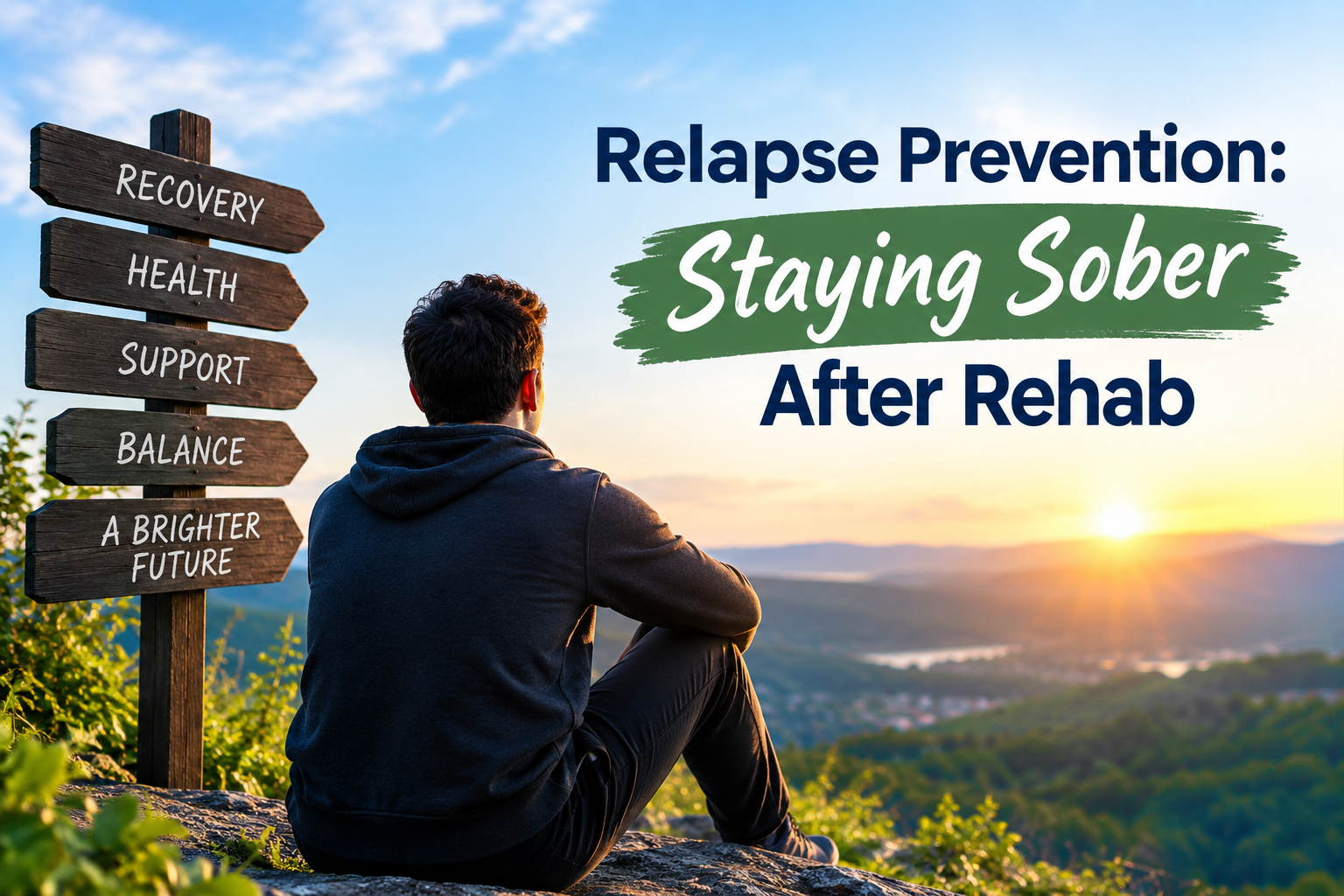
Completing rehab is an important milestone, but recovery does not end when a person leaves a treatment center. Returning home, reconnecting with family, going back to work, and facing everyday stress can create new challenges. This is why relapse prevention and aftercare are essential parts of long-term recovery.
Staying sober after rehab requires more than simply avoiding drugs or alcohol. It involves recognizing triggers, managing cravings, building healthy routines, maintaining supportive relationships, and continuing professional care when necessary.
At Healing Door Rehab & Psychiatric Center, recovery planning includes relapse prevention, therapy, family support, and aftercare. The goal is to help individuals develop practical skills that can support their recovery after completing treatment.
If you or a loved one is struggling with addiction, professional support can make the recovery journey more structured and manageable. Learn more about our drug addiction treatment in Islamabad and available recovery programs.
What Is Relapse Prevention?
Relapse prevention is a structured approach to identifying situations, emotions, behaviors, and environments that may increase the risk of returning to substance use.
During addiction treatment, individuals can learn to recognize their personal triggers and develop healthier responses to cravings and stressful situations. A relapse prevention plan may include:
- Identifying personal triggers
- Learning how to manage cravings
- Developing healthy daily routines
- Avoiding high-risk environments
- Building a reliable support system
- Continuing counseling or therapy
- Maintaining physical and emotional health
- Creating an emergency plan for difficult moments
- Staying connected with aftercare services
Relapse prevention should ideally begin during rehabilitation rather than after a person has already returned to substance use. Healing Door incorporates relapse-prevention planning and aftercare into its recovery process.
Why Staying Sober After Rehab Can Be Challenging
Life after rehab can feel very different from life inside a structured treatment environment. During rehabilitation, a person may have scheduled therapy, supervision, counseling, medical support, and a controlled environment.
After returning home, those structures may change.
Common challenges can include:
Stress
Work, financial concerns, family responsibilities, and personal problems can create emotional pressure. For someone in recovery, unmanaged stress may increase cravings.
Old Friends and Social Environments
Returning to the same people or places associated with substance use can make recovery more difficult. Certain conversations, locations, or social situations may trigger memories and cravings.
Emotional Difficulties
Feelings such as loneliness, anger, anxiety, frustration, or sadness can sometimes become relapse triggers.
Overconfidence
After feeling better for several weeks or months, a person may believe they can safely return to situations associated with previous substance use.
Recovery requires continued awareness even when things are going well.
Lack of Support
Trying to handle recovery completely alone can make challenges more difficult. A strong support system can provide encouragement, accountability, and assistance during difficult periods.
10 Relapse Prevention Strategies After Rehab
1. Identify Your Personal Triggers
One of the first steps in relapse prevention is understanding what situations make you want to use substances.
Triggers can be different for every person.
They may include:
- Certain friends
- Specific locations
- Arguments
- Stress
- Loneliness
- Financial problems
- Celebrations or parties
- Alcohol or drug exposure
- Certain memories
- Relationship problems
Write down your major triggers and discuss them with your counselor or treatment professional. Once you understand your triggers, you can prepare specific strategies for handling them.
2. Create a Structured Daily Routine
A healthy routine can provide stability after rehab.
Try to maintain regular times for:
- Sleeping
- Waking up
- Eating meals
- Exercising
- Working or studying
- Therapy
- Relaxation
- Family activities
A structured lifestyle can reduce boredom and provide a sense of purpose.
Recovery does not require perfection. The goal is to create a routine that supports your physical and emotional well-being.
3. Continue Therapy and Counseling
Completing residential treatment does not necessarily mean that therapy should stop.
Ongoing counseling can help people work through:
- Cravings
- Stress
- Relationship problems
- Emotional difficulties
- Negative thought patterns
- Recovery challenges
- Changes in lifestyle
Healing Door provides individual therapy, group counseling, family counseling, and relapse-prevention support as part of its addiction treatment approach.
If additional mental health concerns are present, continuing psychiatric or psychological care may also be important.
4. Build a Strong Support System
Recovery becomes easier to manage when you have people you can trust.
Your support network might include:
- Family members
- Close friends
- Therapists
- Doctors
- Addiction counselors
- Support groups
- Recovery professionals
Choose people who respect your recovery and encourage healthy decisions.
It is also important to communicate your needs clearly. Your family may not always know what kind of support you need unless you explain it.
5. Learn How to Handle Cravings
Cravings can occur even after completing treatment. Having a plan can help you respond before the craving becomes overwhelming.
When a craving appears, consider:
Delay: Give yourself time before making any decision.
Change your environment: Leave the situation associated with the craving.
Contact someone: Call a trusted family member, counselor, or recovery-support person.
Distract yourself: Take a walk, exercise, read, listen to music, or participate in another healthy activity.
Remember your reasons: Think about why you entered recovery and what you want your future to look like.
Cravings can feel intense, but they do not have to determine your actions.
6. Avoid High-Risk Situations
One of the most practical relapse prevention strategies is reducing exposure to environments connected with substance use.
For example, you may need to avoid:
- Parties where drugs are present
- Friends who continue using substances
- Places where you previously purchased or used drugs
- Social situations where you feel pressured to use alcohol or drugs
Avoiding high-risk situations is not about permanently isolating yourself. It is about protecting your recovery while you develop stronger coping skills.
Over time, your treatment team can help you understand which situations are safe and how to manage unavoidable challenges.
7. Take Care of Your Physical Health
Physical health and recovery are closely connected.
Try to maintain:
- Regular sleep
- Balanced nutrition
- Physical activity
- Medical checkups
- Adequate hydration
- Prescribed medications as directed
Exercise can also provide a healthy way to manage stress and improve daily routine.
If you have physical health problems related to previous substance use, discuss them with a qualified healthcare professional.
8. Address Mental Health Concerns
Some people experience addiction alongside mental health concerns such as anxiety, depression, trauma-related difficulties, or other psychiatric conditions.
When these issues are not addressed, they may complicate recovery.
Healing Door provides addiction and psychiatric services and evaluates patients based on their individual clinical needs. Its treatment model can include psychological and psychiatric support when appropriate.
If you are experiencing severe emotional distress, unusual behavior, hallucinations, suicidal thoughts, or other urgent symptoms, seek professional medical help immediately.
9. Stay Connected With Aftercare
Aftercare is one of the most important parts of staying sober after rehabilitation.
Recovery does not automatically stop when a treatment program ends. Continuing support can help individuals adjust to life outside rehab and address challenges before they become major problems.
An aftercare plan may include:
- Follow-up appointments
- Individual counseling
- Family support
- Relapse-prevention planning
- Recovery check-ins
- Psychiatric follow-up when required
- Continued participation in support programs
Healing Door states that aftercare planning is developed as part of the recovery process rather than being treated as something that begins only after discharge.
10. Have an Emergency Relapse Plan
Even with careful planning, difficult situations can happen.
Create a simple emergency plan before you need it.
Your plan might include:
- Recognize that you are experiencing a strong craving.
- Leave the high-risk environment.
- Contact your recovery support person.
- Avoid being alone if you feel unsafe.
- Contact your counselor or treatment provider.
- Return to professional treatment if necessary.
Having a plan in advance can make it easier to respond quickly during a difficult moment.
Relapse Does Not Mean Recovery Is Over
A relapse can be emotionally difficult, but it should not automatically be viewed as proof that treatment was useless.
Instead, it can be a signal that the current recovery plan needs to be reassessed.
After a relapse, professional help may be necessary to understand:
- What triggered the substance use?
- What warning signs were missed?
- Which coping strategies were ineffective?
- Is the current treatment level appropriate?
- Is additional counseling needed?
- Does the person need a higher level of care?
The appropriate response depends on the individual’s circumstances and clinical needs.
If substance use has resumed, contacting a qualified treatment professional as soon as possible can help determine the next appropriate step.
The Importance of Family Support in Recovery
Addiction affects more than the person using substances. Families may experience stress, fear, frustration, financial problems, and damaged relationships.
Family members can support recovery by:
- Encouraging treatment
- Listening without unnecessary judgment
- Supporting healthy routines
- Avoiding enabling behaviors
- Learning about addiction
- Participating in family counseling when recommended
- Helping maintain a safe home environment
Family involvement can also help rebuild communication and trust over time.
Healing Door includes family counseling and education within its addiction treatment approach, recognizing that recovery often involves both the individual and their support network.
Inpatient vs. Outpatient Support After Rehab
Not everyone requires the same level of continuing care.
Some individuals may benefit from outpatient treatment, where they attend scheduled counseling and treatment sessions while living at home.
Others may require a more structured residential environment depending on their clinical condition, substance use history, relapse risk, and support system.
Healing Door offers both inpatient and outpatient rehabilitation options, with the appropriate approach determined according to individual needs and clinical assessment.
What a Healthy Life After Rehab Can Look Like
Staying sober does not mean that life has to become boring or restrictive.
Recovery can provide an opportunity to build a healthier lifestyle.
A person may begin:
- Returning to work
- Continuing education
- Repairing family relationships
- Developing new hobbies
- Exercising regularly
- Learning new skills
- Building healthy friendships
- Setting personal goals
- Improving financial stability
- Rediscovering interests that were neglected during addiction
Small improvements can become meaningful progress over time.
The goal is not simply to stop using substances. Long-term recovery also involves creating a life that supports continued sobriety.
When Should You Seek Professional Help?
You should consider contacting a qualified addiction treatment professional if you or someone you care about is experiencing:
- Repeated attempts to quit without success
- Increasing substance use
- Strong or frequent cravings
- Withdrawal symptoms
- Returning to old drug-using environments
- Significant changes in behavior
- Problems at work or school related to substance use
- Relationship problems caused by addiction
- Mental health symptoms alongside substance use
- A recent relapse
Early professional support can help determine whether counseling, outpatient treatment, residential rehabilitation, detoxification, or another level of care is appropriate.
For people who require medically supervised withdrawal, detoxification should be handled by qualified healthcare professionals because withdrawal can sometimes involve serious complications. Healing Door provides medically supervised detoxification when clinically appropriate.
Relapse Prevention Is a Long-Term Process
Staying sober after rehab is not about being perfect. Recovery is a continuing process that involves learning, adapting, and developing healthier ways to deal with life’s challenges.
The most important principles include:
- Know your triggers.
- Build a structured routine.
- Continue therapy when needed.
- Maintain supportive relationships.
- Manage cravings proactively.
- Protect your physical health.
- Address mental health concerns.
- Stay connected with aftercare.
- Avoid high-risk environments.
- Ask for professional help when you need it.
A strong relapse prevention plan gives you practical tools to respond to difficult situations instead of returning automatically to old behaviors.
Get Professional Support for Addiction Recovery in Islamabad
If you or a loved one is struggling with addiction or finding it difficult to remain sober after rehabilitation, professional support may help.
Healing Door Rehab & Psychiatric Center in Islamabad provides structured addiction treatment, detoxification, therapy, family counseling, relapse prevention, and aftercare support based on individual treatment needs.
You can explore the Healing Door addiction treatment programs to learn more about available services.
If detoxification is required, you can also learn more about the Detoxification Center in Islamabad.
For people dealing specifically with alcohol dependency, visit the Alcohol Addiction Treatment in Islamabad page for more information.
For drug-related addiction, see the Drug Addiction Treatment in Islamabad page.
Healing Door Rehab & Psychiatric Center is located in Bani Gala, Islamabad, and provides confidential admissions and recovery support.
Final Thoughts
Life after rehab can bring challenges, but having a clear relapse prevention plan can help individuals prepare for those challenges. Recovery becomes stronger when people understand their triggers, develop healthy coping skills, maintain supportive relationships, and continue appropriate professional care.
Most importantly, asking for help should not be considered a failure. Reaching out to a qualified addiction treatment professional can be an important step toward protecting long-term recovery.
If you are concerned about your own substance use or the substance use of someone you love, consider speaking with a qualified healthcare or addiction professional to discuss the safest next s